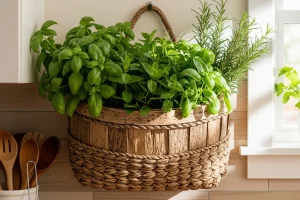


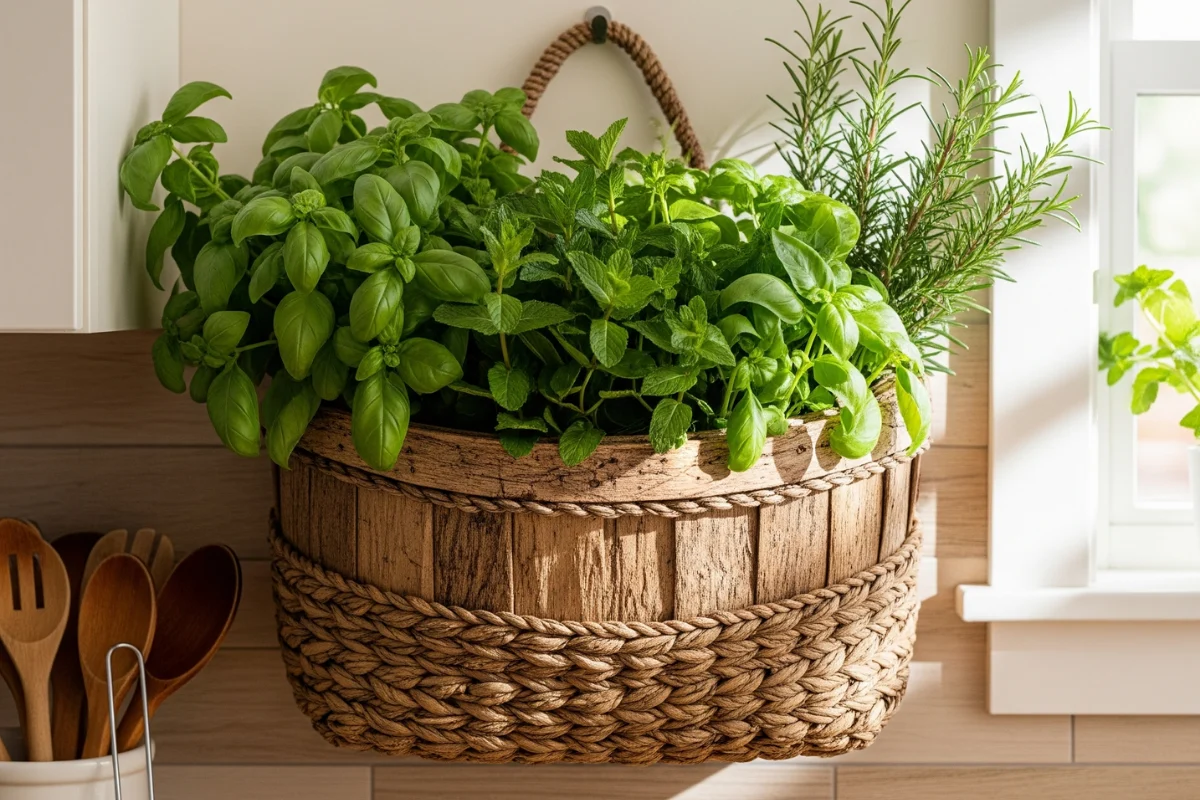
Wall baskets can turn overlooked vertical space into storage that stays easy to see and reach. They work best for lightweight everyday belongings that otherwise collect on counters, tables, or open shelves, making them especially useful where floor space is limited.
Match Basket Depth to the Contents
Deep baskets aren’t always better. A container that’s too deep can hide small objects at the bottom and make quick access surprisingly difficult.
Shallow baskets work well for mail, accessories, hand towels, and smaller supplies. Deeper designs can handle rolled textiles or larger lightweight items.
While collecting ideas from storage inspiration references, compare the depth of the basket with the size of what you intend to store.
Create a Vertical Storage Zone
Several wall baskets arranged together can use narrow wall sections that would otherwise remain empty. Stacking them vertically is particularly useful beside desks, inside utility rooms, or near entry doors.
Keep enough clearance above each basket so items can be inserted and removed comfortably.
| Location | Possible Contents | Basket Format |
|---|---|---|
| Entryway | Mail, gloves | Shallow open basket |
| Bathroom | Hand towels | Medium woven basket |
| Office | Notebooks, supplies | Structured wire basket |
| Utility room | Cloths, small tools | Durable open basket |
Keep Everyday Items Within Easy Reach
Wall storage is most effective when the basket height matches frequency of use. Items needed daily should sit between comfortable waist and shoulder height whenever practical.
Rarely used items can go higher, but avoid creating storage that requires a stool every day.
Looking through general design browsing can generate layout ideas, yet accessibility should ultimately determine where each basket belongs.
Use Materials That Suit the Room
Wire baskets provide visibility and ventilation, while woven baskets soften the appearance of functional spaces. Fabric baskets can work for especially light items if they have enough structure to hold their shape.
Mixing materials is possible, but some visual connection helps. Similar finishes, repeated shapes, or consistent spacing can tie the arrangement together.
When reviewing online visual references, focus on how containers relate to surrounding furniture and finishes instead of selecting baskets in isolation.
Problems That Make Wall Baskets Less Useful
Overloading is the biggest concern. A wall basket intended for lightweight storage shouldn’t gradually become a container for books, heavy tools, or dense household supplies.
Poor mounting can also cause sagging or wall damage. Use suitable fasteners for the wall type and stay within the basket manufacturer’s intended capacity. Another mistake is filling every basket to the rim, which makes the arrangement look crowded and slows access.
Frequently Asked Questions
What can you store in wall baskets?
Good candidates include mail, lightweight accessories, towels, craft materials, small office supplies, children’s soft toys, and other items that don’t place excessive weight on the mounting system.
Are wall baskets suitable for bathrooms?
They can be, provided the basket material tolerates humidity and the installation location avoids excessive splashing. Ventilated designs may be useful for towels and similar items.
How many wall baskets should be grouped together?
There is no fixed number. Two or three can create a compact storage zone, while larger walls may support more. Spacing and accessibility matter more than filling the available surface.
Use the Wall Without Overfilling It
Wall baskets are strongest when they solve a specific storage problem rather than covering every open surface. Choose lightweight contents, install the baskets securely, and place frequently used items where they remain comfortable to reach. A restrained arrangement can free counters and floors while keeping daily essentials exactly where they’re needed.