
Small homes often contain spaces that seem difficult to use effectively. A narrow corner beside a window, an unusual gap between furniture, or an empty area beneath a staircase can easily become neglected. While these spaces may appear insignificant, they offer opportunities to improve storage, comfort, and functionality without major renovations. Instead of viewing awkward corners as design limitations, homeowners can approach them as opportunities to introduce practical features that complement their interiors.
Making better use of overlooked spaces requires creativity, thoughtful planning, and an understanding of household needs. Even modest changes can transform an unused corner into a functional part of the home while maintaining a comfortable and uncluttered atmosphere.
Understanding the Possibilities of Unused Corners
Awkward corners are often created by unusual architectural layouts, structural columns, sloping ceilings, or furniture arrangements. These features can make conventional furniture difficult to position, leaving portions of valuable floor space unused. However, the problem is not always the available space but the assumption that every area must accommodate standard furniture.
Homeowners exploring interior inspiration through platforms such as SydHub Blog may discover that effective space planning begins with recognizing the individual characteristics of a room. Measuring available dimensions, observing natural light, and considering nearby activities can help determine whether a neglected corner is suitable for storage, seating, decoration, or another practical purpose.
Turning Empty Corners Into Functional Storage
Storage is frequently a challenge in smaller homes, particularly when wardrobes, cabinets, and shelving units occupy substantial floor space. Empty corners can provide additional storage without requiring extensive structural changes.
Floating shelves are particularly useful because they take advantage of vertical space while leaving the floor accessible. Corner shelving units can accommodate books, decorative objects, and everyday essentials. In kitchens, narrow rotating organizers or customized cabinets can make difficult cabinet corners more accessible.
Another practical approach involves incorporating furniture with concealed storage. A compact bench with internal compartments can hold seasonal accessories, while a slim cabinet positioned beside a doorway can organize frequently used household items.
Creating Comfortable Reading and Relaxation Areas
Not every unused corner needs to become a storage solution. Some spaces are better suited to activities that encourage relaxation and personal comfort.
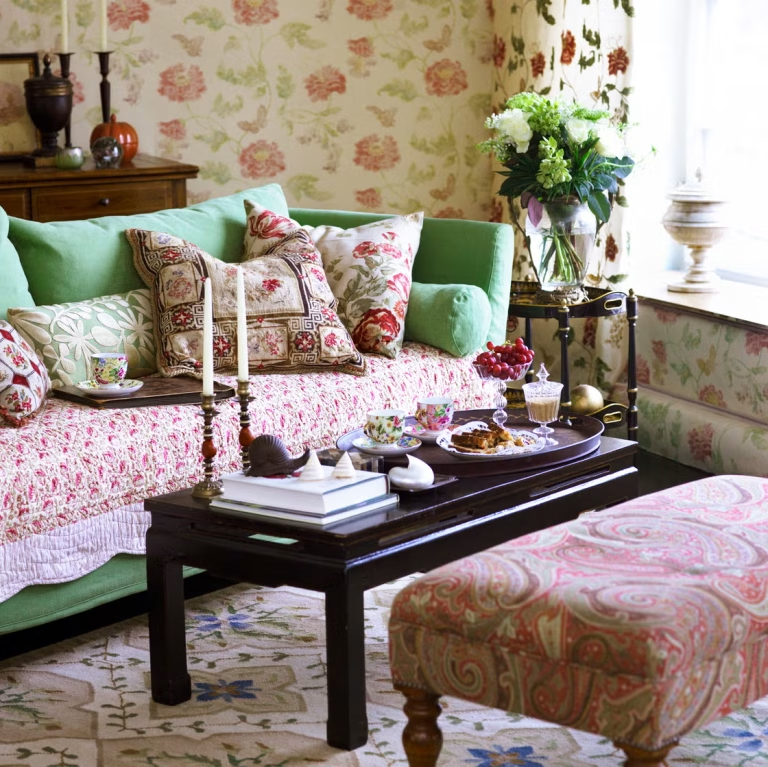
A corner near a window can become a reading area with a compact chair, adjustable lighting, and a small side table. Soft furnishings can introduce warmth without overwhelming the surrounding interior. Where floor space is particularly limited, wall mounted lighting and narrow seating arrangements can maintain accessibility.
Home improvement discussions featured across lifestyle publications such as Melbwire Australia often reflect growing interest in interiors that balance practical requirements with personal comfort. A thoughtfully arranged relaxation corner demonstrates that creating a welcoming home does not necessarily depend on having additional rooms or expensive furniture.
Making Difficult Architectural Features Work
Sloping ceilings, staircase recesses, and irregular walls can complicate furniture placement. Nevertheless, these architectural characteristics can become useful design features when approached with appropriate solutions.
Areas beneath staircases can accommodate customized drawers, compact workstations, or organized storage for household equipment. Sloping attic corners may be suitable for low cabinets, floor cushions, or seasonal storage containers.
Custom furniture can be particularly valuable when conventional pieces leave unnecessary gaps. However, homeowners should carefully evaluate costs before investing in permanent installations. Simple modular furniture may provide similar benefits while allowing greater flexibility if household requirements change.
Using Lighting to Improve Overlooked Spaces
Lighting influences whether a corner feels inviting or disconnected from the rest of a room. Dark areas can appear smaller and less functional, even when sufficient space is available.
Wall sconces, adjustable lamps, and concealed lighting strips can improve visibility without occupying valuable surfaces. Mirrors positioned thoughtfully may also reflect available daylight and create a greater sense of openness.
Readers exploring home improvement ideas through resources such as www.outreachrangers.com can consider lighting as an important part of practical interior planning. Rather than introducing additional furniture immediately, improving illumination may reveal opportunities that were previously difficult to recognize.
Introducing Greenery Without Sacrificing Space
Plants can bring visual interest to corners that are too narrow for conventional furniture. Tall indoor plants, compact plant stands, and hanging planters provide different possibilities depending on the available dimensions.
Plant selection should reflect natural light, ventilation, and maintenance requirements. Shade tolerant varieties may be appropriate for areas receiving limited sunlight, while brighter corners can accommodate plants requiring greater exposure.
The objective is to introduce natural elements without creating obstacles or restricting movement. Choosing appropriately sized containers helps maintain visual balance and prevents smaller interiors from appearing crowded.
Maintaining Flexibility in Small Home Design
One common mistake when improving awkward corners is filling every available gap. Although maximizing space is important, excessive furniture and decoration can reduce comfort and make rooms feel unnecessarily congested.
Flexible arrangements often provide better long term value. Lightweight furniture, movable organizers, and modular shelving allow homeowners to adjust their interiors as circumstances change.
Lifestyle inspiration associated with GLID Blog can encourage homeowners to think beyond conventional room arrangements and consider adaptable solutions that support different activities. A corner used for reading today might eventually become a workspace, hobby station, or additional storage area.
Conclusion
Awkward corners do not have to remain unused or visually disconnected from their surroundings. With careful planning, these spaces can support storage, relaxation, lighting, greenery, and practical household activities. Successful improvements depend on understanding the dimensions, purpose, and limitations of each area rather than simply adding more furniture.
By treating overlooked corners as valuable parts of the home, homeowners can create interiors that feel more organized, comfortable, and functional without increasing their available floor space.