


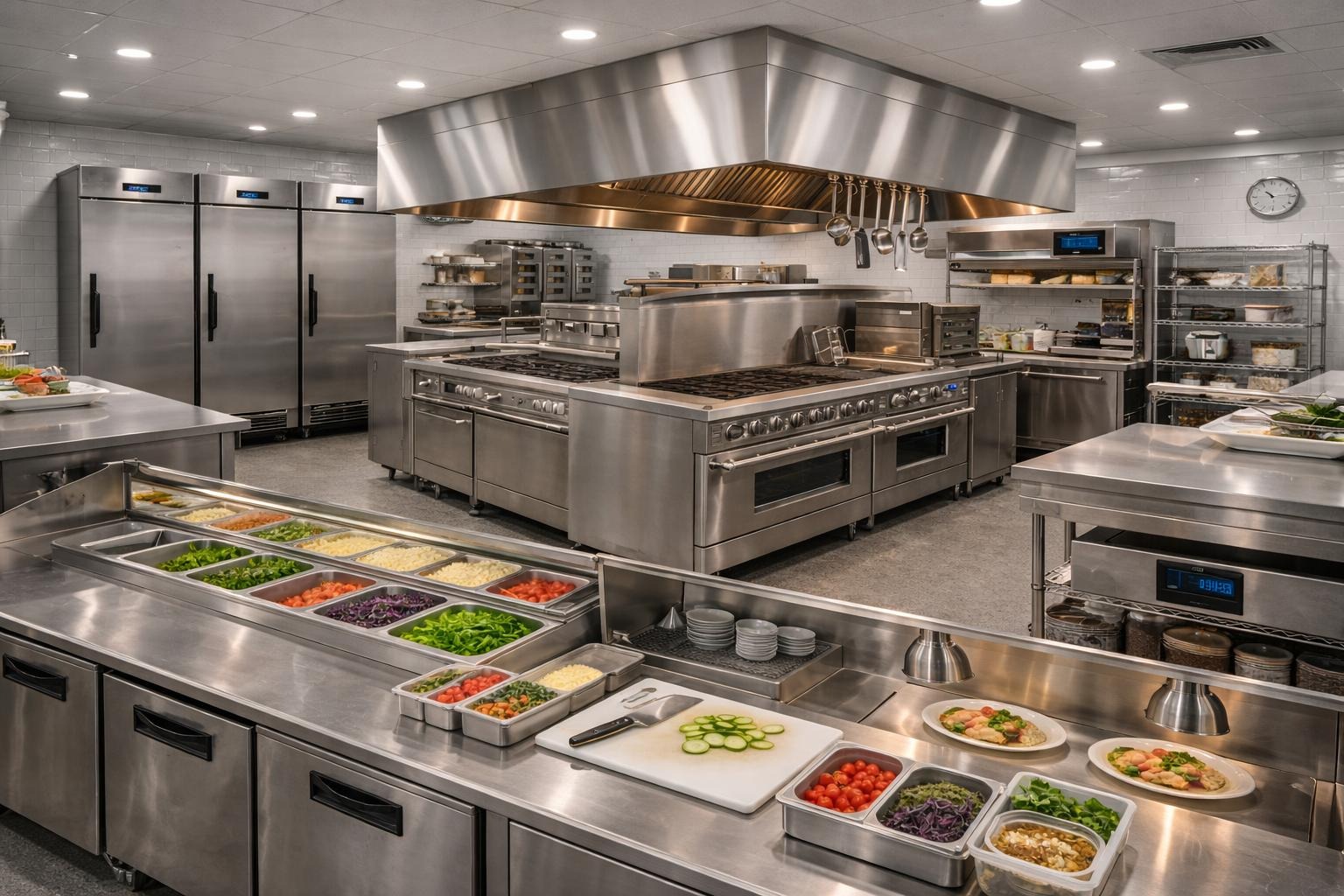
Operating a successful restaurant, catering operation, or institutional facility requires a delicate balance between speed, safety, and inventory control. In the fast-paced environment of modern commercial food service, the back-of-house kitchen workflow determines whether a business thrives or struggles with overhead costs. Among all major kitchen investments, refrigeration stands out as the unsung workhorse that protects food quality, preserves perishable ingredients, and maintains compliance with strict food safety regulations.
The Critical Need for Consistent Cold Chain Management
Commercial kitchens handle massive volumes of raw proteins, dairy, produce, and prepped ingredients daily. Maintaining precise temperature control is not merely a preference—it is a legal requirement enforced by health inspectors. When cooling systems fluctuate or fail to recover temperature rapidly during busy dinner rushes, food spoils prematurely, leading to astronomical inventory loss and potential health hazards.
To safeguard ingredients against rapid degradation, kitchen managers rely heavily on heavy-duty equipment built to endure high ambient temperatures. Investing in reliable commercial refrigeration equipment ensures that internal cabinet temperatures stay within safe thresholds, even when doors are opened repeatedly during peak operational hours.
Maximizing Line Speed with Modern Reach-In Storage
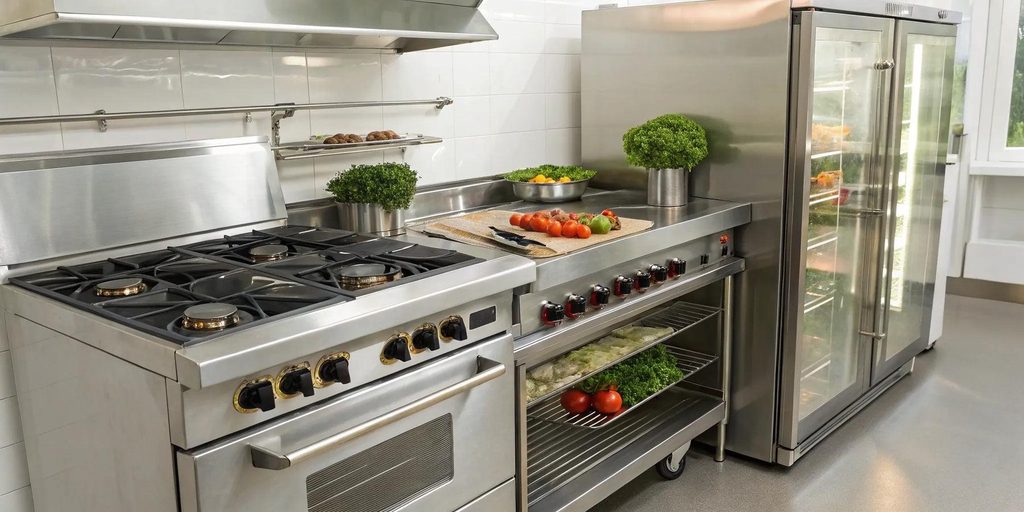
Kitchen ergonomics play a direct role in ticket times and labor costs. If line cooks must constantly leave their prep stations to fetch raw ingredients from a distant walk-in cooler, valuable minutes are lost on every order. Strategically placing reach-in units right at the cooking line creates a seamless workflow that keeps chefs focused on assembly and plating.
Selecting the ideal commercial reach-in refrigerator allows culinary teams to organize prepped pans, portioned sauces, and daily essentials within arm’s reach. Features like adjustable heavy-duty wire shelving, digital temperature controllers, and self-closing solid stainless steel doors reduce heat gain while streamlining kitchen speed.
Balancing Upfront Capital Investment and Energy Overhead
Equipping or expanding a commercial kitchen represents a major financial undertaking for operators. Beyond initial purchase price, restaurant owners must consider long-term utility expenses. Modern commercial cooling units utilize hydrocarbon refrigerants like R290, which offer superior cooling capabilities while drastically lowering energy consumption compared to older fluorocarbon models.
For smart operators planning kitchen retrofits or expansion, sourcing high-efficiency appliances from dependable brands is vital. Exploring options like commercial kitchen equipment clearance sales can provide high-tier commercial units at substantial discounts, allowing operators to stretch capital budgets without sacrificing durability, warranty coverage, or operational reliability.