


Water damage is one of the most common problems homeowners face, and it often begins where you can’t see it—behind your drywall. A small plumbing leak, roof problem, or poorly sealed window can allow moisture to build up inside your walls long before visible signs appear. If left untreated, hidden water damage can weaken drywall, damage insulation, encourage mold growth, and even compromise the structural integrity of your home.
The good news is that early detection can prevent expensive repairs and minimize long-term damage. Knowing what warning signs to watch for allows homeowners to address moisture problems before they become major renovation projects.
In this guide, we’ll explain how to identify water damage behind drywall, what causes it, and when it’s time to call a professional.
Why Hidden Water Damage Is a Serious Problem
Drywall is highly absorbent because of its gypsum core and paper facing.
When moisture becomes trapped behind the wall, the drywall gradually absorbs it like a sponge. Even if the surface looks normal initially, water can slowly weaken the material while creating ideal conditions for mold and mildew.
Because the damage develops out of sight, homeowners often don’t discover the problem until significant repairs are required.
Common Causes of Water Damage Behind Drywall
Understanding where moisture comes from is the first step toward prevention.
Some of the most common causes include:
- Leaking water pipes
- Roof leaks
- Overflowing gutters
- Poorly sealed windows and doors
- Appliance leaks
- Bathroom plumbing failures
- HVAC condensation
- Foundation moisture intrusion
Even a slow drip over several weeks can cause serious damage inside a wall cavity.
Discoloration on Walls or Ceilings
One of the earliest warning signs is discoloration.
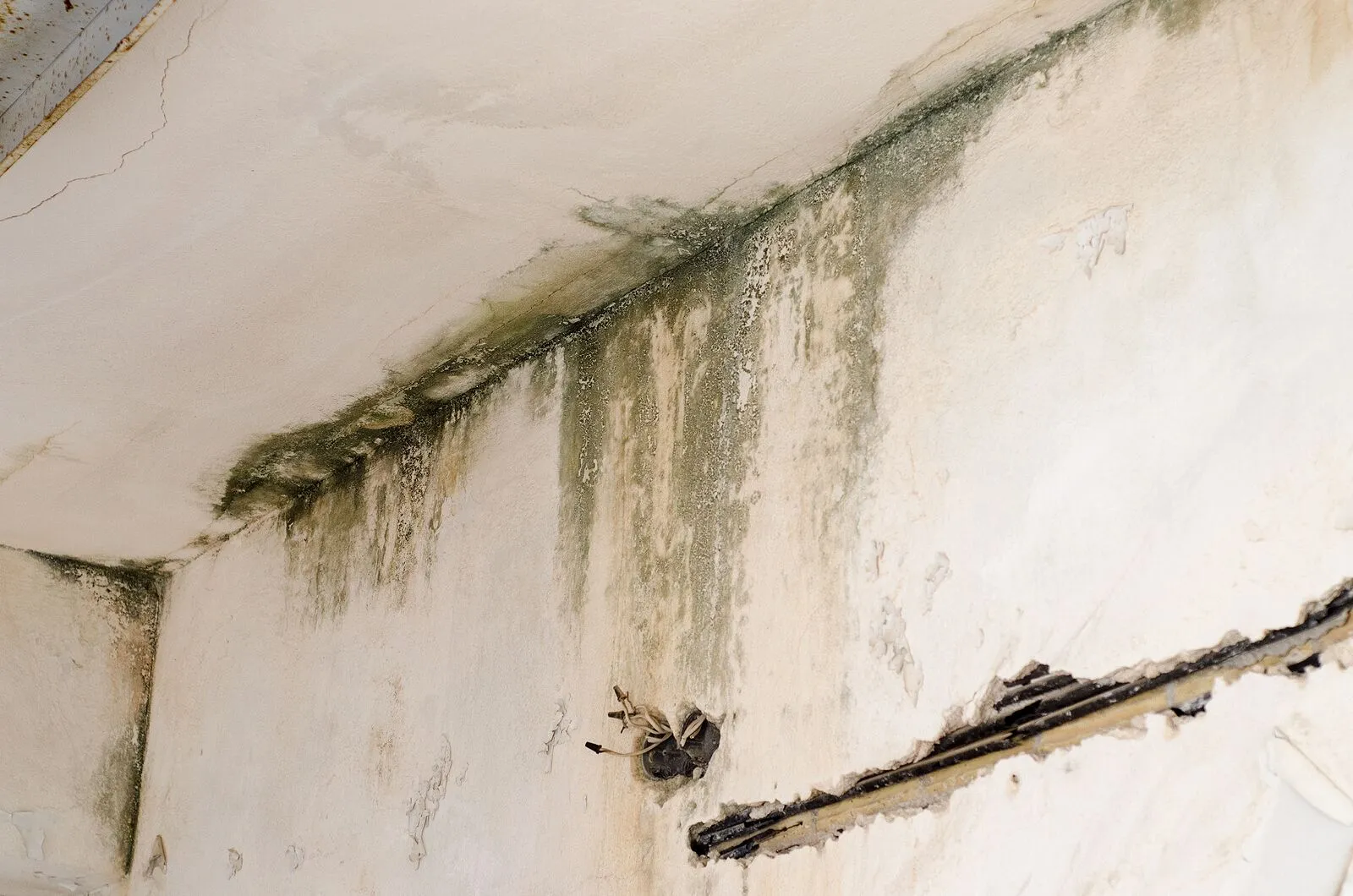
Yellow, brown, or light tan stains often indicate moisture trapped behind drywall. These stains may gradually grow larger as the leak continues.
Simply painting over stained drywall rarely solves the problem because the moisture source remains active.
Bubbling or Peeling Paint
Paint relies on a dry, stable surface for proper adhesion.
When moisture reaches the drywall, paint may begin bubbling, blistering, cracking, or peeling away from the wall. These visible changes often indicate hidden water damage beneath the surface.
Ignoring peeling paint can allow moisture problems to worsen.
Soft or Spongy Walls
Healthy drywall should feel firm when gently pressed.
If certain areas feel unusually soft, spongy, or flexible, moisture may have weakened the gypsum core. Severe water damage can even cause drywall to crumble when touched.
Soft spots should always be investigated promptly.
Musty Odors
Persistent musty smells often point to hidden moisture.
Mold and mildew release distinctive odors that become noticeable even before visible growth appears. If one room consistently smells damp despite regular cleaning, moisture may be trapped behind the drywall.
Odors should never be ignored because mold can continue spreading inside enclosed wall cavities.
Visible Mold Growth
Mold sometimes appears on the drywall surface after moisture has been present for an extended period.
Small black, green, or gray spots around baseboards, windows, ceilings, or corners often indicate elevated moisture levels.
Visible mold may represent only a small portion of a much larger problem hidden behind the wall.
Warping or Bulging Walls
Excess moisture causes drywall to expand and lose its shape.
Bulging, warped, or uneven wall surfaces often indicate that water has saturated the material from behind. As the drywall absorbs moisture, it may begin separating from framing members or developing noticeable distortions.
These structural changes usually require professional evaluation.
Unexplained Cracks
While some drywall cracks result from normal settling, moisture-related movement often creates irregular cracking patterns.
Water can weaken framing, drywall fasteners, and joint compound, causing seams to separate or new cracks to appear.
When cracking is accompanied by stains or soft spots, hidden moisture should be suspected.
Use Moisture Detection Tools
Professional contractors often use specialized equipment to locate hidden moisture.
Common tools include:
- Moisture meters
- Infrared thermal cameras
- Hygrometers
- Borescopes
These devices help identify moisture behind walls without unnecessary demolition, allowing repairs to be targeted more accurately.
Preventing Water Damage
Preventive maintenance greatly reduces the risk of hidden moisture problems.
Homeowners should:
- Inspect roofs regularly.
- Clean gutters and downspouts.
- Repair plumbing leaks immediately.
- Seal windows and doors.
- Maintain proper attic ventilation.
- Monitor appliances for leaks.
- Check basements for moisture intrusion.
Routine inspections help identify small problems before they become expensive repairs.
Repair Damage Before It Spreads
Once water damage is discovered, delaying repairs usually makes the situation worse.
Moisture trapped behind drywall can continue damaging insulation, framing, flooring, and adjacent walls. Early intervention often limits repair costs while preventing mold growth.
Many homeowners rely on professional Drywall repair services to remove damaged materials, restore affected walls, and ensure hidden moisture problems are properly addressed before rebuilding begins.
Prompt repairs help protect both your home and indoor air quality.
Professional Installation Helps Prevent Future Problems
Quality drywall installation contributes to long-term durability.
An expert drywall Installation team understands proper installation methods, moisture management techniques, and material selection for different environments. Correct installation helps reduce gaps, improve wall performance, and create stronger surfaces that better withstand everyday wear.
Working with experienced professionals also helps homeowners identify potential moisture concerns before they develop into larger issues.
Hidden water damage behind drywall can quickly escalate from a minor leak into a costly repair if left untreated. Warning signs such as stains, peeling paint, soft walls, musty odors, mold growth, and bulging surfaces should never be ignored. Identifying these symptoms early allows homeowners to stop moisture at its source before it spreads throughout the home.
By performing regular inspections, maintaining plumbing and roofing systems, and seeking professional assistance when needed, homeowners can protect their walls, preserve indoor air quality, and avoid expensive structural repairs. Early action remains the best defense against long-term water damage.